
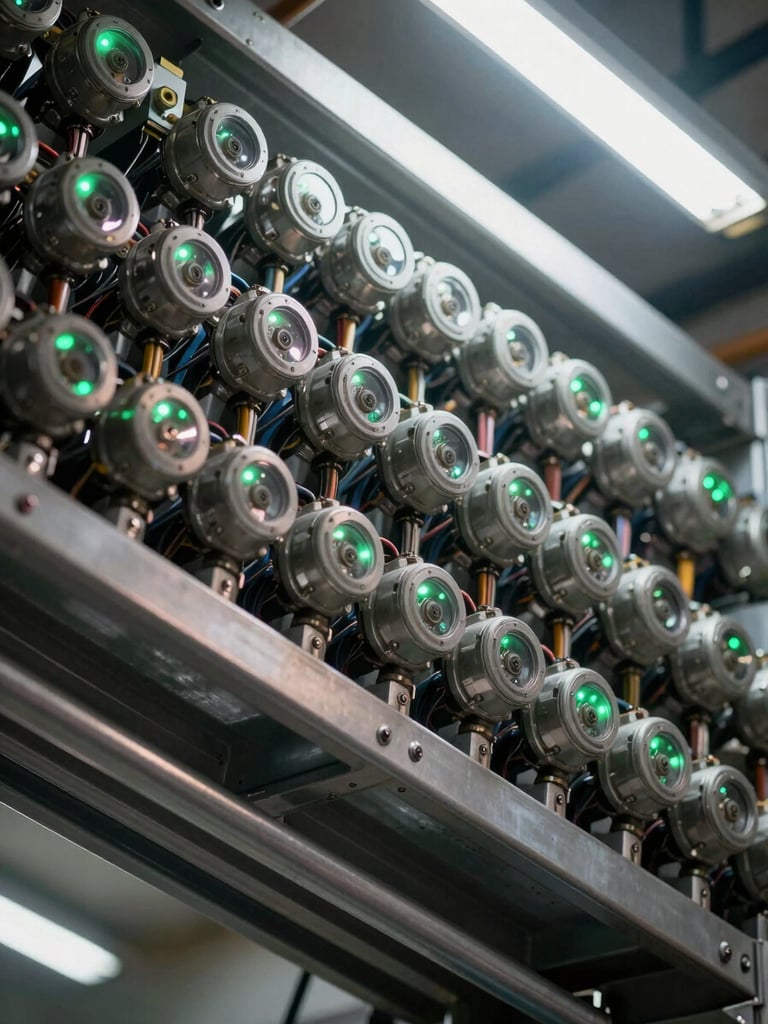
Edge intelligence retrofitted onto the plant floor you already run.
Models trained on your operating conditions. Standard industrial protocols. Zero new hardware mandates.
< 8 weeks
Median time from sensor integration to live edge model in production.
OPC-UA · Modbus · MQTT
Native protocol support — no middleware layer, no proprietary gateway required.
Q1 results
Customers record downtime reduction within the first production quarter post-deployment.
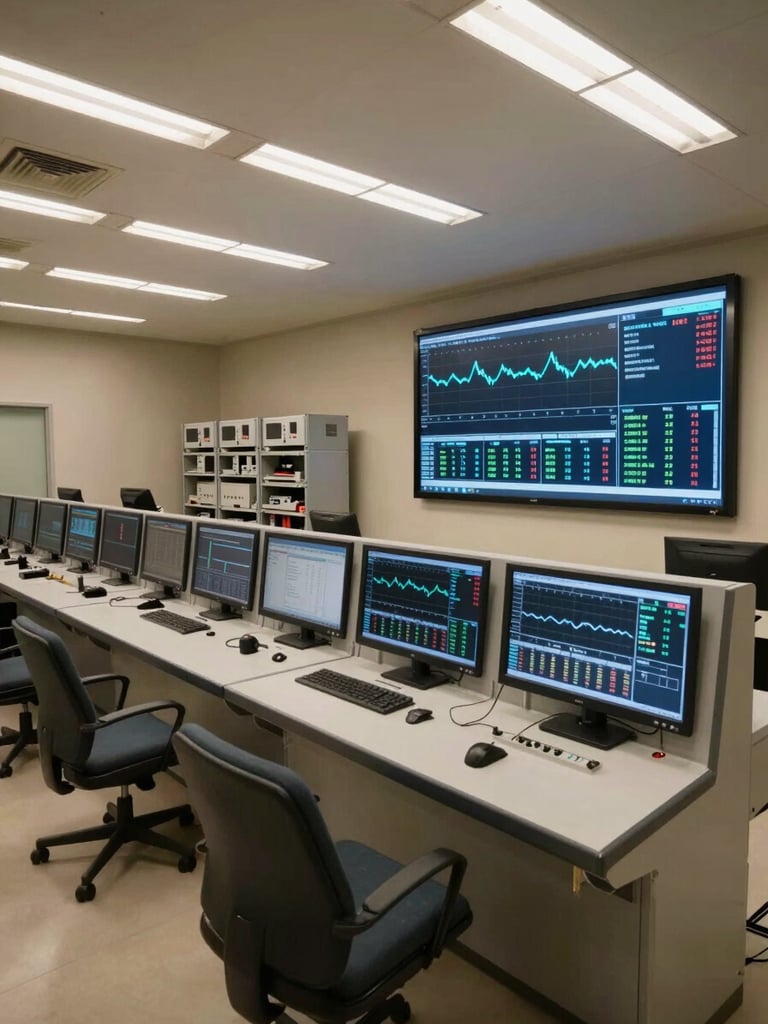
Models built from your operating history, not generic datasets.
The edge node ingests telemetry from your existing PLCs and SCADA historians during a baseline observation window. It establishes what normal looks like on your specific equipment before any anomaly classification begins.
Fault signatures are asset-agnostic at the protocol layer but equipment-specific at the model layer — so the system learns vibration thresholds for a 20-year-old compressor the same way it learns them for a new servo drive.
Integration targets: PLC ladder logic environments, DCS historian exports, SCADA tag buses, and edge gateways running Linux or Windows IoT. No rip-and-replace of control logic.
Uptime economics, measured in the first quarter.
34%
11× ROI
Zero replacement
Average reduction in unplanned downtime events across manufacturing deployments in the first 90 days.
Median return on deployment cost measured against avoided production losses in the first operating year.
No PLC, SCADA, or DCS hardware was decommissioned across any production deployment in our portfolio.
Ready to map the AI layer onto your existing control environment?
Bring your SCADA topology and asset list. Our deployment engineers will identify integration points and model training requirements before any engagement begins.